Pigmentation and age spots can be visibly softened with the right skincare – but only a dermatologist can remove them completely. What each method can do, and which products we recommend.
ARBUTI Hair Salon · Updated October 2026
Skincare for dark spots we recommend
1
Our no. 1 for dark spots
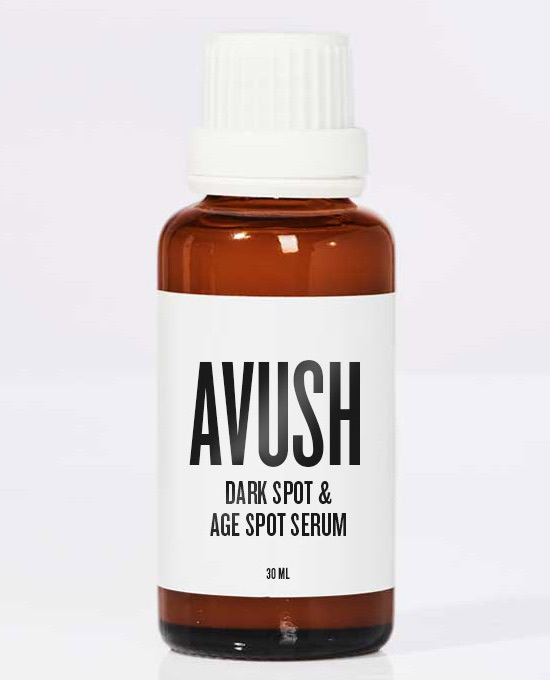
Avush Serum & Tonic
A set of serum and tonic with 1% alpha-arbutin according to the manufacturer, plus liquorice root, sand lily, Skin Moon™, a vitamin C derivative and niacinamide – without hydroquinone or kojic acid. Our team has used Avush ourselves; for pigmentation and age spots, it’s the skincare we recommend first.
What we like
Several brightening actives in one system
No hydroquinone or kojic acid
Dermatest seal “very good” (tests skin tolerance)
Keep in mind
Needs patience: the manufacturer usually cites two to three months
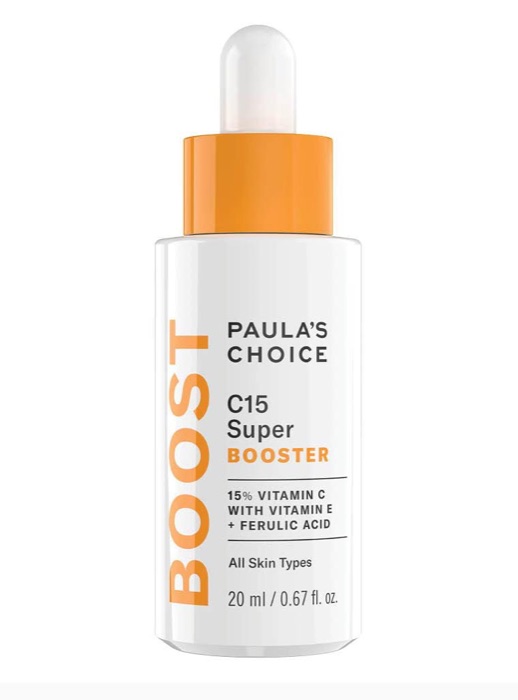
15% vitamin C with vitamin E and ferulic acid in a liquid booster that you can apply neat or mix into your cream. Vitamin C brightens the complexion and protects as an antioxidant – a good base in the morning under your sunscreen.
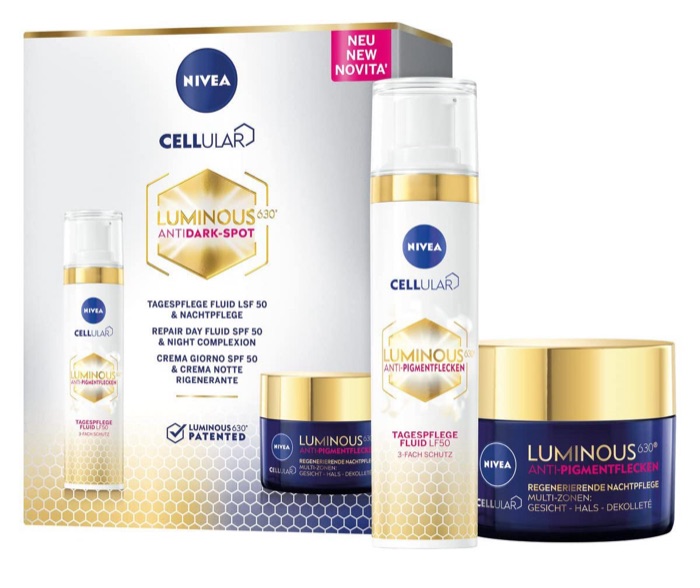
Day and night creams with Beiersdorf’s active ingredient Luminous630®, which according to the manufacturer targets pigment formation. The day cream has SPF 50 – so the most important step against new spots is already built in.
What we like
SPF 50 included
Easy to find, simple routine
Keep in mind
Both creams are on the rich side
The manufacturer limits daily use of Luminous630 products – check the leaflet
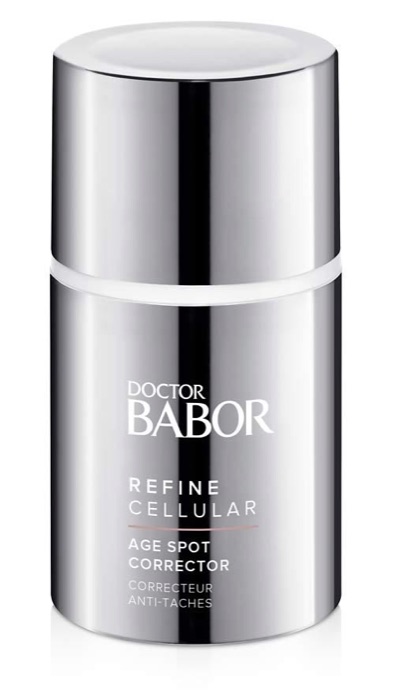
A rich serum for age spots and sun-related discolouration on the face, neck and décolletage. The manufacturer recommends using it morning and evening, with its matching sun protection during the day.
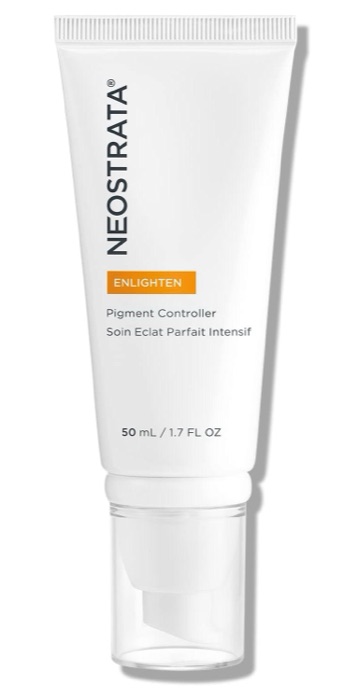
A night cream with NeoGlucosamine® and other brightening actives, according to the manufacturer. It’s designed for stubborn, uneven pigmentation and should be introduced gradually.
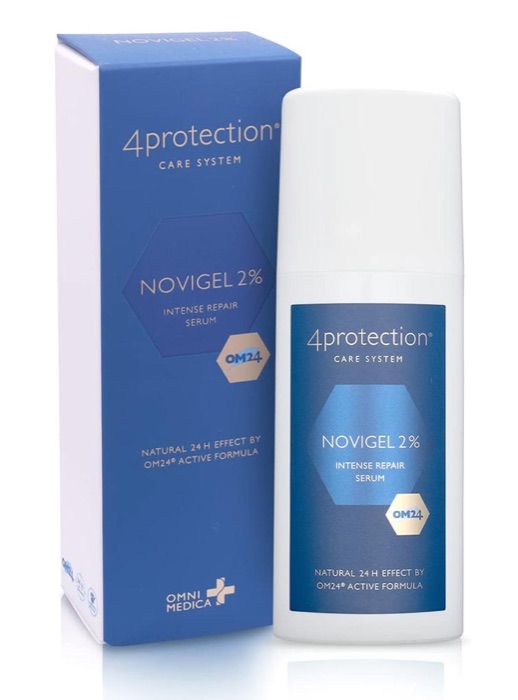
A two-part set of serum and cream with green tea extract (OM24), according to the manufacturer. More of a protective anti-ageing routine than a targeted brightener – worthwhile if you want to combine skincare and prevention.
What we like
Serum and cream designed to work together
Intended for all skin types
Keep in mind
No dedicated pigment active such as arbutin or vitamin C
Skincare lightens; treatments remove. Both have their place – what matters is how deep the spots are and what caused them.
For orientation, not a treatment recommendation – the choice belongs with a dermatologist.
Method
What it does
Bear in mind
Active skincare
Gradually lightens superficial spots, helps prevent new ones
Weeks to months, only with sun protection
Chemical peel
Removes the pigmented outer layer of skin
By a professional; redness, peeling, no sun for a while
Laser / IPL
Breaks up pigment precisely, often the clearest result
Only at a dermatologist; risk of new spots on darker skin
Freezing (cryotherapy)
For individual age spots
Only by a doctor; can leave pale patches
What we look for
Active ingredient
Alpha-arbutin, vitamin C, niacinamide, liquorice or retinol target pigment formation. We prefer a product that discloses its actives to vague promises.
Sun protection
Without daily SPF 30–50, spots come back – even in winter and behind window glass.
Tolerance
Introduce acids and retinol slowly. Irritated skin is more likely to form new pigment.
Patience
Skin cells renew over weeks. You can hardly judge a result before two to three months.
A doctor’s eye
Spots that grow, itch, bleed or look irregular need to be seen by a dermatologist before any treatment.
Frequently asked questions
Can dark spots be removed permanently?
With laser or a peel at a dermatologist’s, many spots can be greatly reduced or removed. Without sun protection, however, they can come back. Skincare tends to lighten them gradually.
What’s the difference between pigmentation and age spots?
Age spots are a form of pigmentation caused by years of sun exposure – usually on the backs of the hands, face and décolletage. There are also hormonal patches (melasma) and marks left after inflammation, such as spots.
How long does it take for dark spots to fade?
Expect several weeks to months of regular use. How much a spot fades varies from person to person.
Which active ingredient works best on dark spots?
There isn’t a single one. Alpha-arbutin, vitamin C, niacinamide and retinol are proven – combinations often work better than a single ingredient. More important than any active is sun protection.
When should I see a doctor about dark spots?
If a spot is new, changes, has an irregular border, itches or bleeds. In that case, have it checked by a doctor before any cosmetic treatment.
We use cookies on our website to give you the most relevant experience by remembering your preferences and repeat visits. By clicking “Accept”, you consent to the use of ALL the cookies. However you may visit Cookie Settings to provide a controlled consent. Accept All
Einstellungen zustimmen
Privacy Overview
This website uses cookies to improve your experience while you navigate through the website. Out of these, the cookies that are categorized as necessary are stored on your browser as they are essential for the working of basic functionalities of the website. We also use third-party cookies that help us analyze and understand how you use this website. These cookies will be stored in your browser only with your consent. You also have the option to opt-out of these cookies. But opting out of some of these cookies may affect your browsing experience.
Necessary cookies are absolutely essential for the website to function properly. These cookies ensure basic functionalities and security features of the website, anonymously.
Cookie
Duration
Description
__stripe_mid
1 year
Stripe sets this cookie to process payments.
__stripe_sid
1 hour
Stripe sets this cookie to process payments.
_wpfuuid
1 year 1 month 4 days
This cookie is used by the WPForms WordPress plugin. The cookie is used to allows the paid version of the plugin to connect entries by the same user and is used for some additional features like the Form Abandonment addon.
ad_personalization
11 months
Sets consent for personalized advertising.
ad_storage
11 months
Enables storage (such as cookies) related to advertising.
ad_user_data
11 months
Sets consent for sending user data related to advertising to Google.
analytics_storage
11 months
Enables storage (such as cookies) related to analytics e.g. visit duration.
cookielawinfo-checkbox-advertisement
1 year
Set by the GDPR Cookie Consent plugin, this cookie records the user consent for the cookies in the "Advertisement" category.
cookielawinfo-checkbox-analytics
11 months
This cookie is set by GDPR Cookie Consent plugin. The cookie is used to store the user consent for the cookies in the category "Analytics".
cookielawinfo-checkbox-analytics
11 months
This cookie is set by GDPR Cookie Consent plugin. The cookie is used to store the user consent for the cookies in the category "Analytics".
cookielawinfo-checkbox-functional
11 months
The cookie is set by GDPR cookie consent to record the user consent for the cookies in the category "Functional".
cookielawinfo-checkbox-functional
11 months
The cookie is set by GDPR cookie consent to record the user consent for the cookies in the category "Functional".
cookielawinfo-checkbox-necessary
11 months
This cookie is set by GDPR Cookie Consent plugin. The cookies is used to store the user consent for the cookies in the category "Necessary".
cookielawinfo-checkbox-necessary
11 months
This cookie is set by GDPR Cookie Consent plugin. The cookies is used to store the user consent for the cookies in the category "Necessary".
cookielawinfo-checkbox-others
11 months
This cookie is set by GDPR Cookie Consent plugin. The cookie is used to store the user consent for the cookies in the category "Other.
cookielawinfo-checkbox-others
11 months
This cookie is set by GDPR Cookie Consent plugin. The cookie is used to store the user consent for the cookies in the category "Other.
cookielawinfo-checkbox-performance
11 months
This cookie is set by GDPR Cookie Consent plugin. The cookie is used to store the user consent for the cookies in the category "Performance".
cookielawinfo-checkbox-performance
11 months
This cookie is set by GDPR Cookie Consent plugin. The cookie is used to store the user consent for the cookies in the category "Performance".
CookieLawInfoConsent
1 year
CookieYes sets this cookie to record the default button state of the corresponding category and the status of CCPA. It works only in coordination with the primary cookie.
functionality_storage
11 months
Enables storage that supports the functionality of the website or app e.g. language settings.
personalization_storage
11 months
Enables storage related to personalization e.g. video recommendations
security_storage
11 months
Enables storage related to security such as authentication functionality, fraud prevention, and other user protection.
viewed_cookie_policy
11 months
The cookie is set by the GDPR Cookie Consent plugin and is used to store whether or not user has consented to the use of cookies. It does not store any personal data.
viewed_cookie_policy
11 months
The cookie is set by the GDPR Cookie Consent plugin and is used to store whether or not user has consented to the use of cookies. It does not store any personal data.
wpEmojiSettingsSupports
session
WordPress sets this cookie when a user interacts with emojis on a WordPress site. It helps determine if the user's browser can display emojis properly.
Functional cookies help to perform certain functionalities like sharing the content of the website on social media platforms, collect feedbacks, and other third-party features.
Cookie
Duration
Description
yt-player-headers-readable
never
The yt-player-headers-readable cookie is used by YouTube to store user preferences related to video playback and interface, enhancing the user's viewing experience.
yt-remote-cast-available
session
The yt-remote-cast-available cookie is used to store the user's preferences regarding whether casting is available on their YouTube video player.
yt-remote-cast-installed
session
The yt-remote-cast-installed cookie is used to store the user's video player preferences using embedded YouTube video.
yt-remote-connected-devices
never
YouTube sets this cookie to store the user's video preferences using embedded YouTube videos.
yt-remote-device-id
never
YouTube sets this cookie to store the user's video preferences using embedded YouTube videos.
yt-remote-fast-check-period
session
The yt-remote-fast-check-period cookie is used by YouTube to store the user's video player preferences for embedded YouTube videos.
yt-remote-session-app
session
The yt-remote-session-app cookie is used by YouTube to store user preferences and information about the interface of the embedded YouTube video player.
yt-remote-session-name
session
The yt-remote-session-name cookie is used by YouTube to store the user's video player preferences using embedded YouTube video.
ytidb::LAST_RESULT_ENTRY_KEY
never
The cookie ytidb::LAST_RESULT_ENTRY_KEY is used by YouTube to store the last search result entry that was clicked by the user. This information is used to improve the user experience by providing more relevant search results in the future.
Performance cookies are used to understand and analyze the key performance indexes of the website which helps in delivering a better user experience for the visitors.
Analytical cookies are used to understand how visitors interact with the website. These cookies help provide information on metrics the number of visitors, bounce rate, traffic source, etc.
Cookie
Duration
Description
_ga
1 year 1 month 4 days
Google Analytics sets this cookie to calculate visitor, session and campaign data and track site usage for the site's analytics report. The cookie stores information anonymously and assigns a randomly generated number to recognise unique visitors.
_ga_*
1 year 1 month 4 days
Google Analytics sets this cookie to store and count page views.
_gcl_au
3 months
Google Tag Manager sets the cookie to experiment advertisement efficiency of websites using their services.
sbjs_current
session
Sourcebuster sets this cookie to identify the source of a visit and stores user action information in cookies. This analytical and behavioural cookie is used to enhance the visitor experience on the website.
sbjs_current_add
session
Sourcebuster sets this cookie to identify the source of a visit and stores user action information in cookies. This analytical and behavioural cookie is used to enhance the visitor experience on the website.
sbjs_first
session
Sourcebuster sets this cookie to identify the source of a visit and stores user action information in cookies. This analytical and behavioural cookie is used to enhance the visitor experience on the website.
sbjs_first_add
session
Sourcebuster sets this cookie to identify the source of a visit and stores user action information in cookies. This analytical and behavioural cookie is used to enhance the visitor experience on the website.
sbjs_migrations
session
Sourcebuster sets this cookie to identify the source of a visit and stores user action information in cookies. This analytical and behavioural cookie is used to enhance the visitor experience on the website.
sbjs_session
1 hour
Sourcebuster sets this cookie to identify the source of a visit and stores user action information in cookies. This analytical and behavioural cookie is used to enhance the visitor experience on the website.
sbjs_udata
6 months
Sourcebuster sets this cookie to identify the source of a visit and stores user action information in cookies. This analytical and behavioural cookie is used to enhance the visitor experience on the website.
Advertisement cookies are used to provide visitors with relevant ads and marketing campaigns. These cookies track visitors across websites and collect information to provide customized ads.
Cookie
Duration
Description
VISITOR_INFO1_LIVE
6 months
YouTube sets this cookie to measure bandwidth, determining whether the user gets the new or old player interface.
VISITOR_PRIVACY_METADATA
6 months
YouTube sets this cookie to store the user's cookie consent state for the current domain.
YSC
session
Youtube sets this cookie to track the views of embedded videos on Youtube pages.
yt.innertube::nextId
never
YouTube sets this cookie to register a unique ID to store data on what videos from YouTube the user has seen.
yt.innertube::requests
never
YouTube sets this cookie to register a unique ID to store data on what videos from YouTube the user has seen.